
Gutter Torn Off in a Storm? First Steps for Central MN Homes
When violent thunderstorm winds or heavy winter snowslides tear gutters loose from your roofline, take immediate safety precautions: stay clear of overhead hazards, photograph damage from multiple angles before touching anything, and call DualGuard's 24/7 Sartell emergency line at (321) 485-9911 for same-day stabilization.
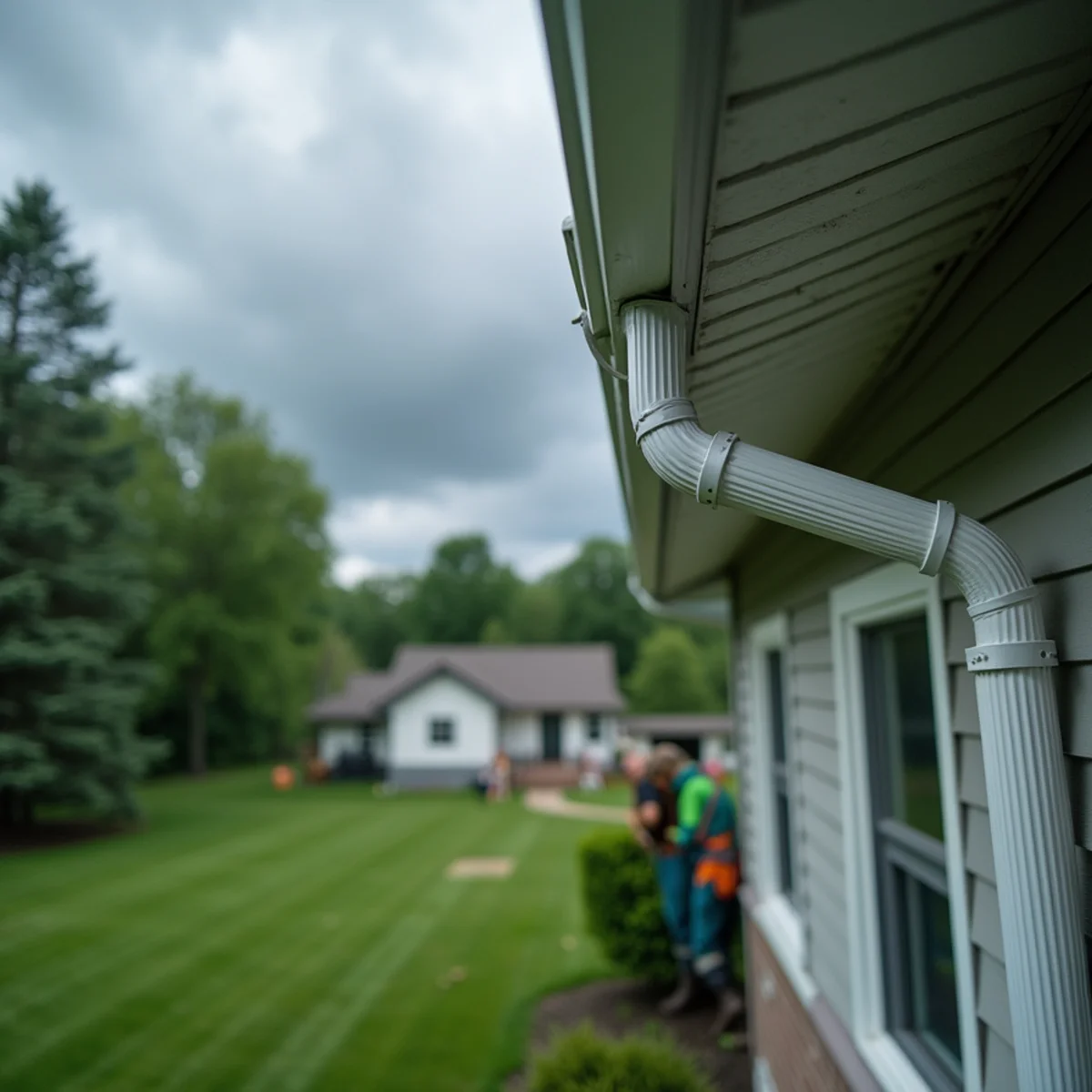
When violent thunderstorm winds or heavy winter snowslides tear gutters loose from your roofline, take immediate safety precautions: stay clear of overhead hazards, photograph damage from multiple angles before touching anything, and call DualGuard's 24/7 Sartell emergency line at (321) 485-9911 for same-day stabilization.
- Step 1: Immediate Safety & Perimeter Hazard Assessment
- Step 2: Document the Scene for Your Insurance Adjuster
- Step 3: Temporary Water Diversion to Protect Your Foundation
- Step 4: Professional Same-Day Stabilization & Seamless Restoration
- Underlying Structural Damage: Checking Fascia Boards & Rafter Tails
- Preventing Future Storm Tear-Offs: Heavy-Duty Fastening & Snow Brackets
Step 1: Immediate Safety & Perimeter Hazard Assessment
A hanging, twisted gutter run is an immediate physical danger to anyone on the ground. A standard 30-to-40-foot length of heavy-gauge aluminum loaded with saturated leaf debris, standing stormwater, or winter ice can easily weigh between 100 and 300 pounds. If sudden wind gusts break the remaining fasteners loose, the falling metal can shatter windows, dent vehicles, damage siding, or cause severe head and spinal lacerations. Establish an immediate safety exclusion zone around the hazard perimeter before inspecting anything else.
- Keep family members, pets, and children completely away from patios, walkways, and driveways directly beneath hanging troughs
- Do not attempt to yank or pull a hanging gutter down by hand—sharp sheared aluminum edges and jagged fastener screws cause severe hand injuries
- Check for overhead electrical service drop lines: if metal touches power lines, maintain a 30-foot perimeter and notify Xcel Energy and 911 immediately
- If a loose gutter is violently battering windows in high winds, secure it from ground level with rope or call DualGuard for immediate harness-assisted emergency triage
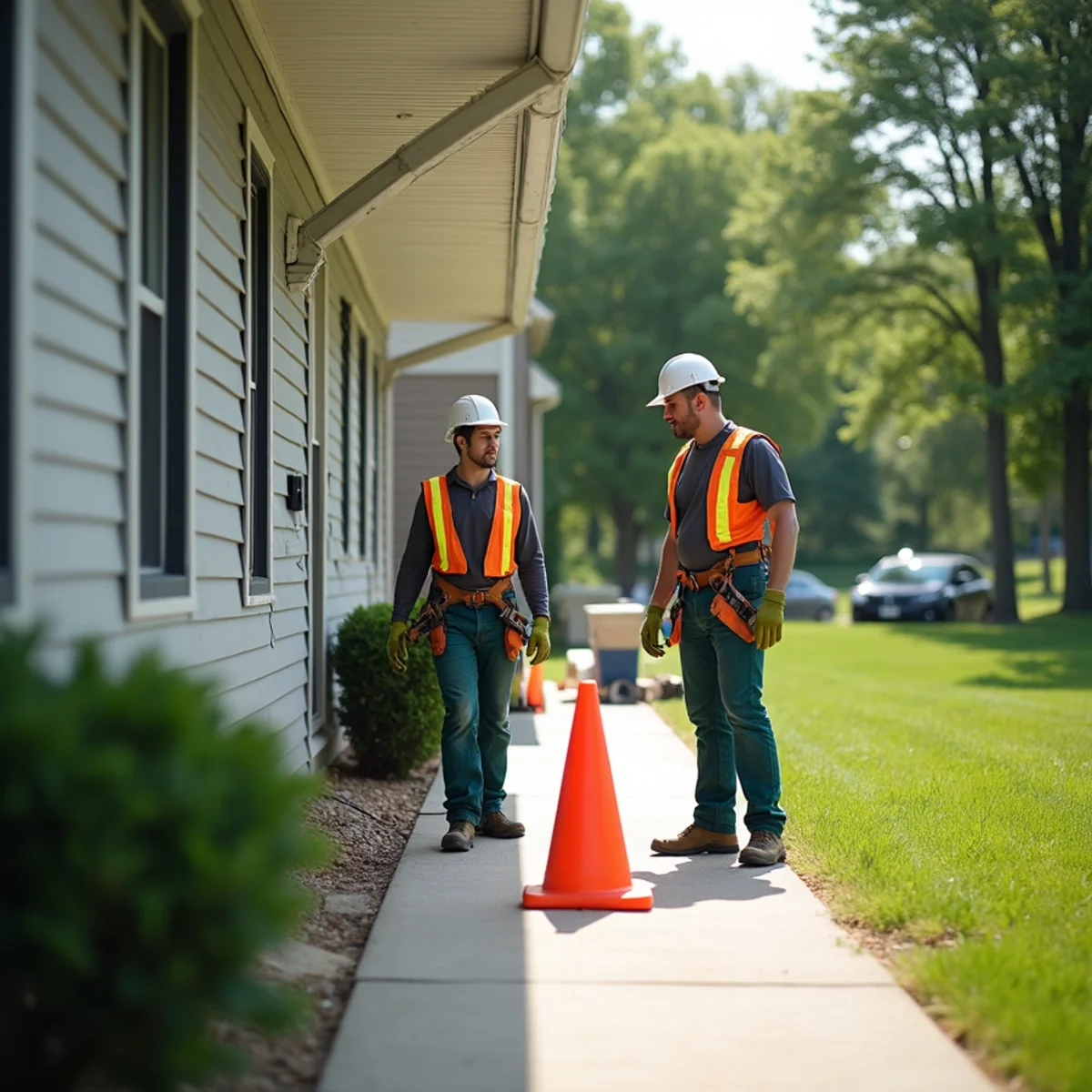
Step 2: Document the Scene for Your Insurance Adjuster
Before any temporary stabilization or cleanup begins, thorough documentation is critical for your insurance claim. Homeowners insurance policies in Minnesota cover sudden wind, thunderstorm, and heavy snow damage under exterior dwelling provisions, but adjusters require clear, date-stamped photographic evidence establishing direct storm causality rather than neglected pre-existing wear.
- Take wide-angle photographs showing the full roofline, the detached gutter, and the surrounding yard context
- Capture sharp close-up shots of stripped wood fascia screw holes, bent rafter brackets, and sheared aluminum seams
- Photograph any fallen tree branches, hail stones, or downed limbs that contributed to the structural failure
- Document any collateral interior damage: check basement walls or foundation ceilings directly beneath the missing gutter run for active water leaks

Step 3: Temporary Water Diversion to Protect Your Foundation
A missing gutter run leaves a wide-open 30-to-50-foot gap along your eave. The very next rainstorm will dump thousands of gallons of water directly into the loose backfilled soil surrounding your basement walls. In Central Minnesota's heavy clay soils, this creates immense lateral hydrostatic pressure capable of bowing foundation blocks and flooding finished basements. If rainfall is forecast before permanent seamless replacement occurs, temporary water diversion is vital.
- Direct any surviving downspout elbows away from basement window wells and foundation corners
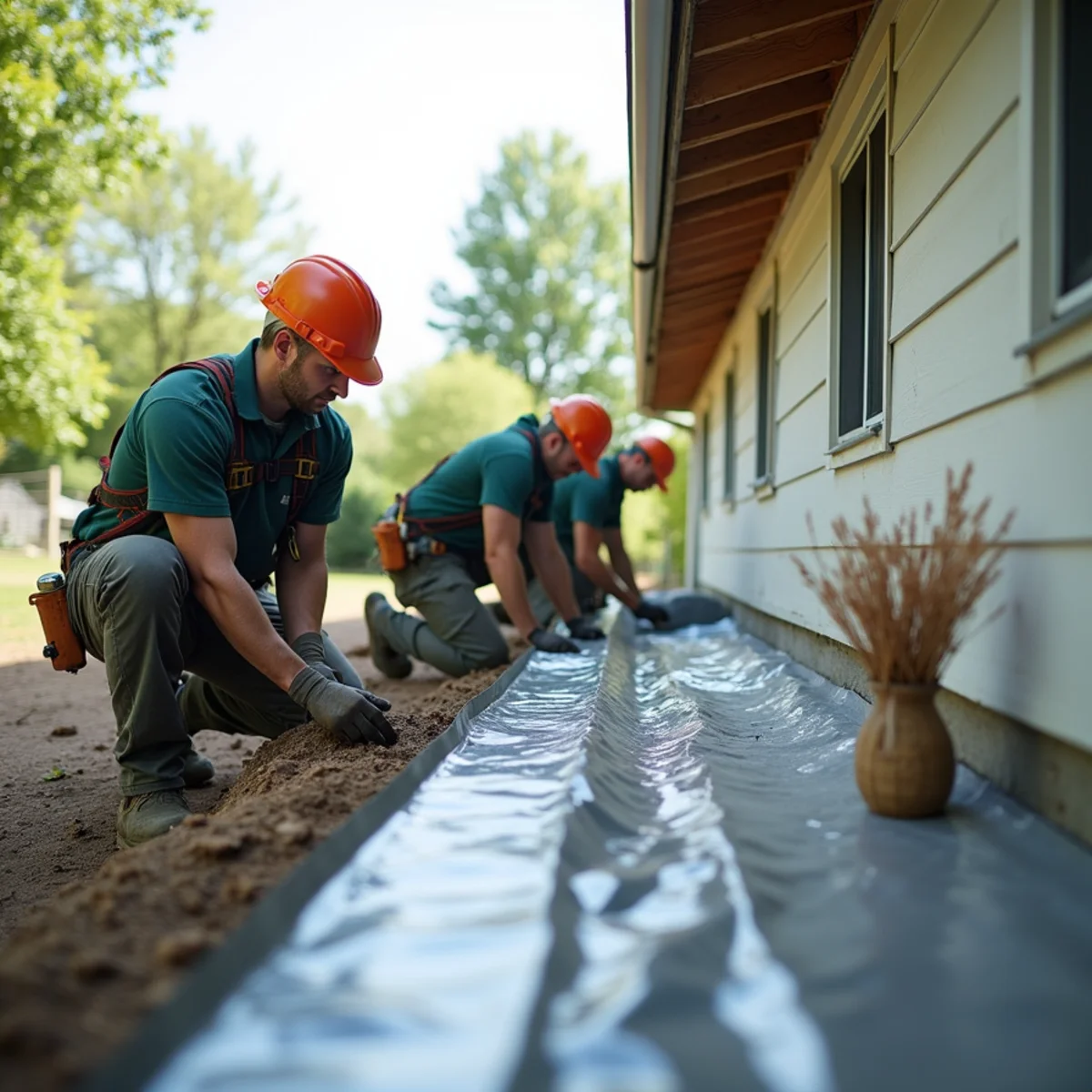
- Lay heavy polyethylene sheeting or tarps along the foundation perimeter sloped away from the house to shed roof deluge
- Clear basement window well drains to prevent water from backing up and shattering basement glass
- Monitor interior basement walls during rain for early signs of hydrostatic seepage
Step 4: Professional Same-Day Stabilization & Seamless Restoration
DualGuard Gutter Systems provides 24/7 emergency storm response across Sartell, St. Cloud, and Stearns County. Our emergency crews arrive with specialized staging ladders to safely detach hazardous hanging metal, inspect the underlying wood fascia, and install temporary water catchments before fabricating a brand-new .032 seamless run on-site.
- Same-day safe detachment and haul-away of mangled aluminum gutter debris
- Carpentry inspection of underlying fascia board to check for hidden wood rot or rafter splitting
- Itemized written scope formatted specifically for insurance claims adjuster approval
- Custom on-site extrusion of heavy-gauge continuous seamless gutters with reinforced screw hangers
Underlying Structural Damage: Checking Fascia Boards & Rafter Tails
When storm winds rip a gutter from the house, the fasteners don't simply slip out cleanly—they leverage immense rotational torque against the wooden fascia board. Screws tear large chunks of wood out of the grain, and in severe cases, the entire 1x6 fascia board can be torn free from the structural roof rafter tails. DualGuard's technicians inspect every foot of exposed framing with digital moisture meters. If dry rot, carpenter ant tunnels, or structural rafter splitting is discovered, our master carpenters sister new pressure-treated lumber alongside damaged rafters and install fresh kiln-dried fascia boards before hanging new metal.
- Probing fastener holes for concealed internal wood rot and moisture saturation
- Sistering new structural framing lumber alongside split or fractured roof rafter tails
- Replacing decayed sub-fascia with premium kiln-dried spruce or western red cedar
- Applying heavy .019 custom-bent aluminum trim coil cladding for lifetime weather protection
Preventing Future Storm Tear-Offs: Heavy-Duty Fastening & Snow Brackets
Older homes in St. Cloud and Sartell often feature outdated spike-and-ferrule fasteners spaced every 36 to 48 inches. Under heavy Central Minnesota snow loads and 60-mph summer thunderstorm gusts, these smooth spikes easily pull out of the wood. DualGuard upgrades every storm restoration with commercial-grade Raytec heavy-duty hidden hangers secured with 2-inch zinc-coated wood screws directly into structural rafter tails every 24 inches (tightened to 18 inches in valleys and snow-slide zones). Combined with heavy .032 continuous seamless aluminum, this provides more than triple the mechanical pullout resistance of standard builder-grade gutters.
- Heavy-duty internal hidden hangers engineered to support over 300 pounds per linear section
- Fastened with 2-inch structural wood-bite screws rather than smooth friction spikes
- Spaced every 18 to 24 inches for maximum snowpack, ice dam, and windstorm load rating
- Backed by DualGuard's 5-year workmanship guarantee and 20-year baked enamel finish warranty
Chance
Lead Estimator & Field Craft SpecialistDualGuard Gutter Systems • 305 4th Ave S Ste 9, Sartell, MN
Chance leads field inspections, on-site extrusion, and storm response for DualGuard across Stearns and Benton counties. Known for on-the-spot quotes and honest assessments of gutter longevity and ice dam mitigation.
Gutter Torn Off in a Storm? First Steps for Central MN — FAQs
Will my homeowners insurance cover a gutter torn off by a storm?
Yes. Most standard Minnesota homeowners policies cover sudden storm, wind, and fallen tree branch damage to gutters and downspouts under dwelling exterior coverage, subject to your policy deductible. DualGuard provides complete date-stamped photographic documentation for adjusters.
How quickly can DualGuard respond to a hanging gutter emergency in Sartell?
Our shop is located in Sartell at 305 4th Ave S Ste 9. In emergency situations involving hanging or fallen gutters, we typically arrive on-site within 60 to 90 minutes across Sartell, St. Cloud, Sauk Rapids, and Waite Park.
Can you re-hang the same gutter that fell off?
Rarely. When high winds or snowdrifts rip a gutter from the roofline, the aluminum metal twists, creases, and tears at hanger points. Re-hanging bent metal creates low bellies where water pools. We roll-form a brand-new continuous seamless run cut to exact measurements on-site.
How much does it cost to replace a storm-damaged gutter section?
A standard storm-damaged gutter replacement typically costs between $350 and $950 depending on run length, roof height, and whether underlying fascia board carpentry repairs are required. When filing an insurance claim, this cost is usually fully covered above your deductible.
What if the storm ripped the wood fascia board off with the gutter?
Our mobile crews carry framing lumber, carpentry tools, and on-site aluminum trim coil brakes. We can sister damaged rafter tails, replace rotted or split fascia boards, wrap them in maintenance-free aluminum, and install brand-new seamless gutters all in a single professional visit.
Have a Specific Question About Your Home?
Call Chance directly at DualGuard. We take pride in giving Central Minnesota homeowners straight answers and reliable craftsmanship.
Call Chance: (321) 485-9911